


Quick Summary:Modern interior design is increasingly embracing natural materials, organic textures, and distinctive decorative elements. Among these materials, natural stone stands out for its durability, versatility, and timeless aesthetic appeal. Beyond its traditional applications in flooring, countertops, and wall cladding, natural stone has become an important medium for artistic expression and interior decoration.
Stone art crafts bring together the beauty of nature and the precision of craftsmanship. From sculptural marble objects and elegant stone vases to translucent onyx lamps and handcrafted decorative accessories, these pieces introduce natural textures and artistic character into contemporary living spaces.
Unlike mass-produced decorative products, natural stone crafts feature unique colors, mineral patterns, and veining formed over millions of years. Each finished piece carries distinctive characteristics, making it both a functional decorative element and an expression of natural artistry.
For architects, interior designers, furniture manufacturers, and hospitality project developers, incorporating stone art crafts into interior design offers an opportunity to create sophisticated spaces with lasting visual appeal.
This guide explores different types of natural stone art crafts, their applications in modern interiors, popular stone materials, and the craftsmanship behind customized stone decorative products.

Why Stone Art Crafts Are Gaining Popularity in Modern Interiors
Natural stone art crafts are becoming increasingly popular in residential, commercial, and hospitality interiors. Their appeal comes from a combination of natural aesthetics, material durability, and design flexibility.
Natural Beauty and Unique Patterns
One of the greatest advantages of natural stone is its individuality. Unlike manufactured materials with uniform patterns, natural stone develops distinctive veining, mineral formations, and color variations through geological processes.
Marble, for example, is known for its elegant veins and diverse color combinations. Onyx offers striking patterns and translucent qualities, while quartzite features dramatic natural formations and rich mineral textures.
These characteristics allow designers to incorporate decorative pieces that cannot be perfectly replicated. A marble sculpture, stone vase, or decorative bowl can become a distinctive focal point within an interior.
Timeless Elegance and Design Versatility
Natural stone has remained an important architectural and decorative material across different historical periods. Its visual appeal makes it suitable for both traditional and contemporary interiors.
Stone art crafts can complement a wide range of design styles, including:
Modern minimalist interiors
Contemporary luxury spaces
Japandi and organic modern designs
Classic and transitional interiors
Mediterranean-inspired environments
Whether used as a subtle decorative accent or a prominent artistic centerpiece, natural stone introduces a sense of refinement without relying on excessive ornamentation.
Durability and Long-Term Value
Natural stone is valued for its structural strength and long service life. When properly selected, processed, and maintained, stone decorative objects can retain their appearance for many years.
Materials such as marble, quartzite, and granite offer different levels of hardness and resistance to wear. Their suitability depends on the intended application, surface treatment, and maintenance requirements.
For hotels, luxury residences, and commercial developments, investing in well-crafted stone accessories can provide long-term decorative value.
Sustainability and Natural Materials
As sustainable design becomes more important in the architecture and interior design industries, natural materials are receiving greater attention.
Natural stone can offer long service life, repairability in certain applications, and opportunities to utilize smaller stone pieces and production offcuts for decorative products.
By incorporating suitable leftover materials into smaller crafts, manufacturers can make more efficient use of natural stone resources while creating distinctive decorative objects.
Popular Types of Stone Art Crafts for Interior Decoration
Natural stone can be transformed into a wide variety of decorative and functional products. Different stone types, shapes, and finishing techniques allow manufacturers to create pieces for various interior applications.
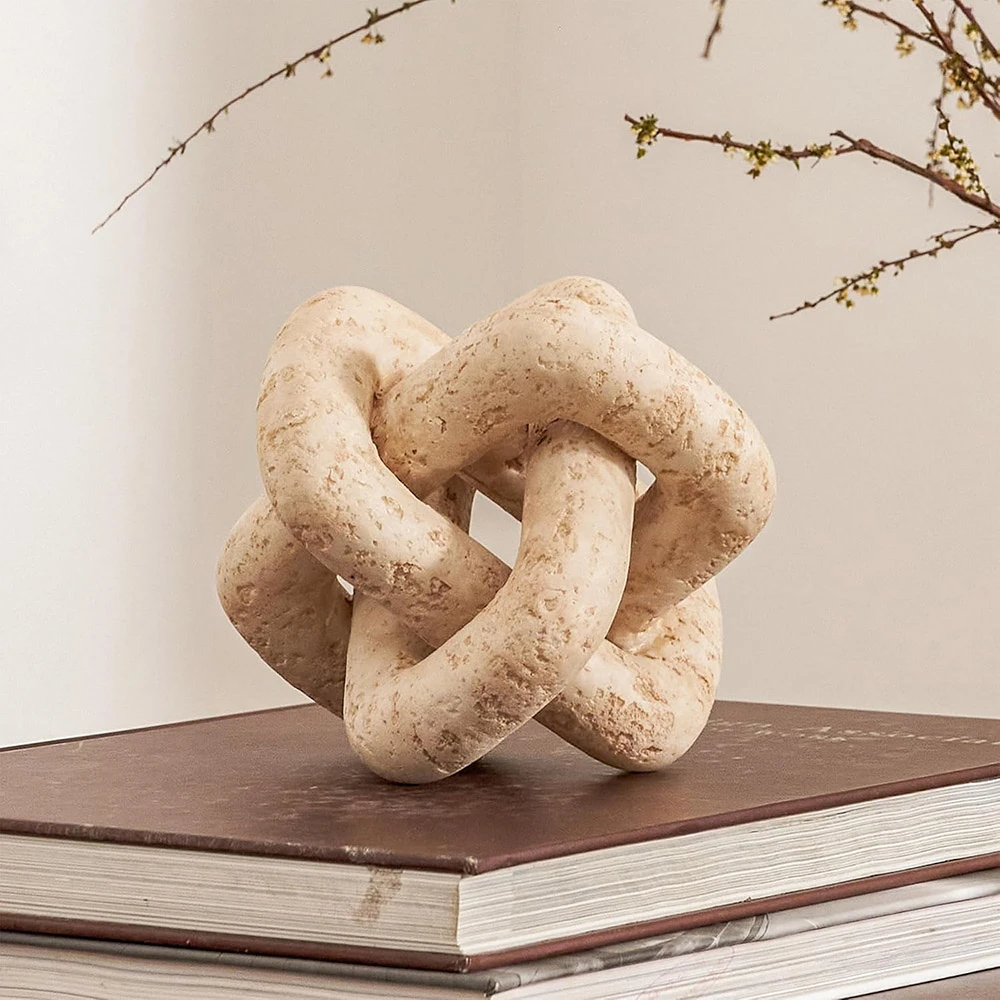
Marble Sculptures and Decorative Figurines
Marble sculptures are among the most recognizable forms of stone art crafts. Their natural patterns and solid appearance make them suitable for statement decorations in luxury interiors.
Popular designs include abstract sculptures, geometric figures, animal-inspired forms, and contemporary artistic objects.
White marble with subtle gray veining is frequently used in minimalist spaces, while darker or more dramatically patterned marble can create a stronger visual contrast.
These sculptures are commonly displayed on console tables, shelves, reception counters, and decorative pedestals.
Natural Stone Vases and Flower Arrangements
Stone vases combine decorative beauty with practical functionality. Their natural textures and sculptural forms make them suitable for living rooms, dining areas, hotel lobbies, and luxury commercial interiors.
Marble vases offer a refined and classic appearance, while travertine vases introduce warm, earthy textures. Onyx can create a more distinctive decorative effect through its layered mineral patterns.
Designers can select from cylindrical, rounded, irregular, and geometric forms to complement different interior styles.
When used with fresh flowers, dried arrangements, or artificial botanicals, stone vases create an elegant balance between natural materials.


Marble Trays, Bowls, and Table Accessories
Smaller stone accessories are an effective way to introduce natural materials without changing the overall interior layout.
Common products include:
Marble decorative trays
Natural stone bowls
Fruit plates and serving trays
Candle holders
Jewelry and storage dishes
Tabletop decorative accessories
These products are suitable for residential projects, boutique hotels, restaurants, and luxury retail environments.
Their practical functionality also makes them attractive products for furniture brands, home decoration retailers, and wholesale distributors.
Stone Lamps and Lighting Decorations
Natural stone lighting products combine material aesthetics with functional illumination.
Onyx is particularly popular for decorative lighting because certain varieties allow light to pass through their natural structure. When illuminated from within, the stone reveals its mineral layers, warm tones, and distinctive patterns.
Popular designs include onyx table lamps, stone pendant lights, decorative lighting bases, and custom illuminated objects.
Travertine and marble can also be used for lamp bases and other lighting components, adding natural textures to contemporary interiors.
For projects requiring illuminated stone products, material thickness, light transmission, structural support, and electrical component compatibility should be considered during product development

How to Incorporate Stone Art Crafts into Different Interior Styles

Modern minimalist interiors emphasize simplicity, functionality, and clean architectural lines.
For this style, designers can select stone decorative objects with simple geometric shapes and understated colors.
Recommended materials include:
White Carrara marble
Light beige marble
Calacatta Viola Marble
Neutral-toned travertine
A small marble sculpture placed on a console table or a simple stone vase displayed on an open shelf can introduce texture without overwhelming the space.

Contemporary luxury interiors often combine natural stone with premium materials such as brass, stainless steel, glass, and dark wood.
Stone art crafts can serve as decorative focal points within these spaces.
Designers may consider dramatic marble sculptures, translucent onyx lamps, distinctive quartzite decorative pieces, and custom-designed stone accessories.
For example, a richly patterned stone sculpture can complement a marble feature wall, while an illuminated onyx lamp can introduce warm ambient lighting to a luxury living room.

Japandi and organic modern design styles emphasize natural materials, simplicity, and visual harmony.
Travertine, beige marble, and other warm-toned natural stones are particularly suitable for these interiors.
Recommended decorative products include rounded stone vases, simple bowls, small sculptures, and naturally textured tabletop accessories.
Combining stone with oak, walnut, linen, and other organic materials creates a calm and balanced atmosphere.

Classic and transitional interiors often feature symmetrical layouts, refined furniture, and decorative architectural details.
Natural stone accessories can reinforce this aesthetic through elegant shapes and sophisticated surface patterns.
White marble sculptures, decorative bowls, carved stone vases, and traditional-inspired ornaments can complement classic furniture and metallic accents.
For transitional spaces, combining traditional stone craftsmanship with simplified contemporary forms creates a balanced appearance.
Choosing the Right Natural Stone for Decorative Art Crafts
Material selection is one of the most important stages in producing high-quality stone art crafts. Different natural stones have unique visual characteristics, physical properties, and processing requirements.
The following materials are widely used in decorative stone applications.

Marble: Classic Elegance and Versatile Patterns
Marble is one of the most popular materials for decorative stone products.
Its distinctive veining, extensive color variations, and relatively good workability make it suitable for sculptures, vases, trays, bowls, and other decorative objects.
Popular marble varieties include:
Carrara White Marble
Calacatta Marble
Arabescato Marble
Emperador Marble
Verde Alpi Marble
Marble works particularly well in luxury residential interiors, boutique hotels, and contemporary commercial spaces.
However, marble is generally susceptible to acids and staining, so appropriate sealing and maintenance may be necessary depending on the application.
Onyx: Translucent Beauty and Decorative Lighting
Onyx is valued for its distinctive layered patterns, rich colors, and potential translucency.
Some onyx varieties allow light to pass through their structure, making them especially suitable for illuminated decorative products.
Applications include:
Onyx table lamps
Decorative lighting features
Stone sculptures
Small decorative objects
Luxury interior accessories
The material's natural color variations can produce striking visual effects, particularly when combined with carefully designed lighting.
Because onyx can be more delicate than some other decorative stones, appropriate material selection and handling are important during fabrication.
Quartzite: Natural Strength and Dramatic Patterns
Quartzite is a natural stone known for its hardness and distinctive mineral formations.
It is available in a wide range of colors, including white, beige, green, pink, and other dramatic shades.
Its visual appeal makes it suitable for sculptural decorative pieces, statement accessories, and selected functional stone products.
Compared with marble, quartzite generally offers greater resistance to scratching, although the performance of individual varieties depends on their mineral composition and quality.
Travertine: Organic Texture and Warm Aesthetics
Travertine is recognized for its characteristic pores, layered formations, and warm natural colors.
Its beige, cream, and light brown tones make it particularly popular in contemporary organic interiors.
Travertine is frequently used for decorative vases, bowls, candle holders, sculptures, and tabletop accessories.
Depending on the design requirements, its surface can be filled and polished or left with a more natural textured appearance.
Agate: Distinctive Mineral Patterns and Artistic Expression
Agate is known for its colorful mineral bands and striking crystal formations.
Its visual characteristics make it suitable for decorative objects that emphasize artistic expression and natural beauty.
Purple, blue, and other colorful agate varieties can be used in decorative accessories, artistic displays, and selected illuminated products.
Because agate is often available in smaller pieces or specific formations, product dimensions and design requirements should be considered during material selection.
Key Factors to Consider When Selecting Stone
Before choosing a material for a decorative project, buyers and designers should evaluate several factors:
Color and Veining: Ensure that the natural patterns complement the interior color palette.
Hardness and Durability: Match the material's physical properties with the intended use.
Workability: Consider the complexity of the carving, cutting, and shaping requirements.
Surface Finish: Select polished, honed, brushed, or textured finishes according to the design concept.
Application Requirements: Consider weight, structural stability, moisture exposure, and maintenance.
The right material selection helps achieve the desired appearance while ensuring the finished product performs well in its intended environment.

The Craftsmanship Behind Custom Stone Art Crafts

STEP1
Material Selection and Inspection
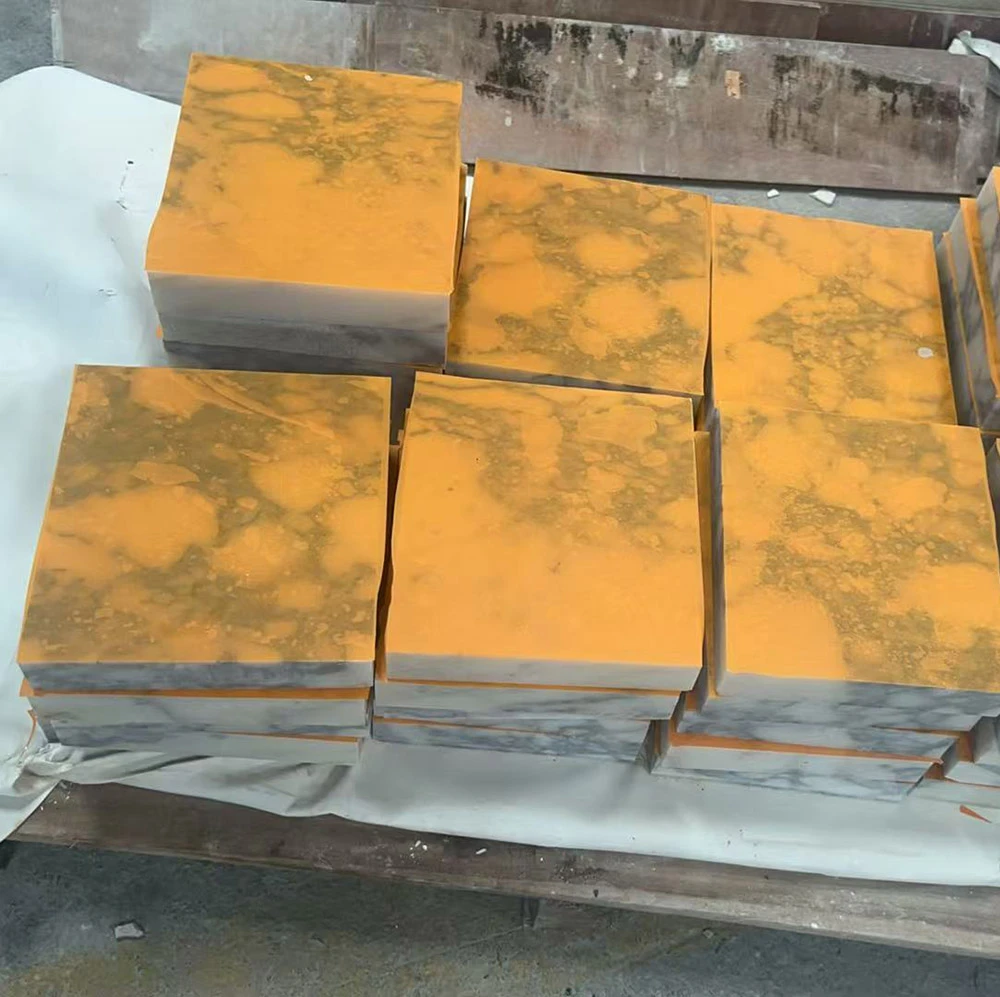
Production begins with selecting suitable stone blocks or slabs according to the customer's design requirements.
Manufacturers evaluate the stone's color, veining, mineral composition, structural condition, and potential imperfections.
For projects requiring multiple matching products, careful material selection is especially important to maintain consistency across the collection.

STEP2
Design Development and Shape Customization
Once the material is selected, the product design is developed according to the customer's specifications.
This process may involve technical drawings, reference images, dimensions, and 3D models.
For more complex decorative products, digital design tools help manufacturers evaluate proportions, structural details, and machining requirements before production begins.
STEP3
Stone Cutting, Carving, and Shaping
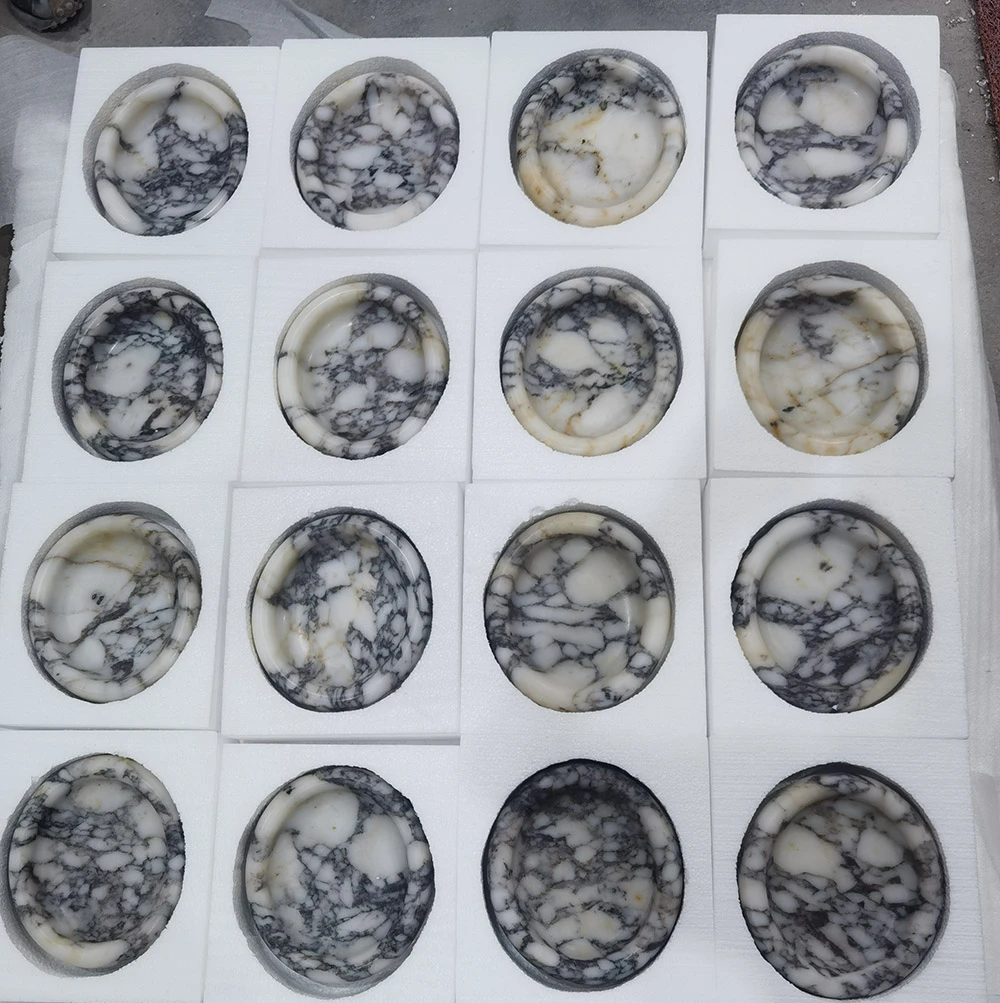
The selected stone is processed using appropriate cutting and shaping techniques.
Depending on the design, production may involve CNC machining, waterjet cutting, precision sawing, and manual carving.
CNC technology is particularly useful for producing detailed geometric forms and maintaining dimensional consistency in repeated designs.
Traditional hand-finishing techniques remain valuable for sculptural details and products requiring a more artistic appearance.
STEP4
Polishing and Surface Finishing
Surface finishing significantly influences the final appearance of stone art crafts.
Common finishing options include:
Polished Finish: Creates a smooth, reflective surface that enhances natural colors and veining.
Honed Finish: Provides a smooth, matte appearance suitable for understated interiors.
Leathered Finish: Creates a textured surface with a subtle tactile quality.
Brushed Finish: Produces a softer, naturally textured appearance.
The appropriate finish depends on the material, product design, and intended decorative effect.

STEP5
Quality Inspection and Protective Packaging
Before delivery, finished products should undergo quality inspections.
Typical inspection points include dimensions, surface quality, edge details, structural integrity, and consistency with approved specifications.
Packaging is another essential consideration, particularly for international shipments.
Appropriate protective materials, internal cushioning, and suitable export packaging help reduce the risk of damage during transportation.
Where Are Stone Art Crafts Used in Modern Interior Design?
Stone art crafts are suitable for a wide range of residential and commercial environments. Their versatility allows designers to incorporate them into different spaces while maintaining a consistent material language.
Luxury Residential Projects
In luxury homes, natural stone decorative products can enhance living rooms, dining areas, bedrooms, and entrance spaces.
Marble sculptures, stone vases, decorative trays, and onyx lamps are commonly used to complement premium furniture and architectural finishes.
For residential designers, custom stone accessories also provide opportunities to create coordinated decorative collections.
Hotels and Resorts
Hospitality projects often require decorative elements that communicate quality, identity, and visual sophistication.
Stone art crafts can be used in hotel lobbies, guest rooms, reception areas, restaurants, and public spaces.
Large decorative sculptures can serve as visual focal points, while smaller stone accessories contribute to the overall interior atmosphere.
Custom production also allows hotel developers to coordinate decorative products with their architectural materials and interior design concepts.
Restaurants and Cafes
Restaurants and cafes can use natural stone accessories to create distinctive dining environments.
Marble trays, stone bowls, decorative vases, and selected tabletop accessories can complement dining furniture, countertops, and wall finishes.
The combination of stone, wood, metal, and glass helps establish a cohesive interior aesthetic.
Office and Commercial Spaces
In corporate offices, showrooms, and commercial developments, stone decorative objects can strengthen the visual identity of reception areas and meeting spaces.
A carefully selected sculpture or customized stone centerpiece can create a memorable first impression for visitors and clients.
Showrooms and Retail Environments
Furniture showrooms, luxury home decoration stores, and design galleries can incorporate stone art crafts to showcase material quality and design possibilities.
For retailers and distributors, coordinated collections of stone vases, trays, sculptures, and accessories can provide opportunities to develop distinctive product offerings.
Custom Stone Art Crafts: From Concept to Finished Product
Standard decorative products may not always meet the requirements of a specific interior design project or commercial collection.
Custom manufacturing allows buyers to develop products that match their preferred materials, dimensions, shapes, and finishing specifications.
For interior designers, furniture brands, wholesalers, and project contractors, working directly with an experienced stone manufacturer can simplify product development and sourcing.
Customized Shapes and Dimensions
Custom stone crafts can be produced according to technical drawings, reference photographs, or specific design concepts.
Manufacturing options may include customized vases, sculptures, bowls, trays, decorative panels, and other stone accessories.
Dimensions, proportions, edge details, and surface treatments can be adjusted according to the intended application.
Wide Selection of Natural Stone Materials
Different natural stone varieties create different decorative effects.
A manufacturer with access to a diverse stone collection can help buyers select materials according to their design concepts, project budgets, and product requirements.
From classic white marble to dramatic quartzite, translucent onyx, and textured travertine, material selection plays an important role in developing a distinctive product collection.
OEM and ODM Manufacturing Services
OEM and ODM services are valuable for furniture brands, home decoration retailers, wholesalers, and interior design companies seeking customized stone products.
Depending on the manufacturer's capabilities, services may include:
Manufacturing according to customer-provided designs
Customized product dimensions and specifications
Material and color selection
Surface finishing customization
Private-label product development
Customized packaging requirements
These services allow business buyers to develop products that align with their own brands and market positioning.
Bulk Production and Project Supply
For large residential developments, hotel projects, and retail distribution, consistent production quality and reliable supply are essential.
Professional stone manufacturers can coordinate material selection, production planning, dimensional specifications, and quality inspections for bulk orders.
For projects requiring multiple decorative products, developing a coordinated collection can help maintain a consistent design language throughout the space.
International Shipping and Export Support
International buyers should also consider packaging, transportation, and export coordination when sourcing natural stone products.
Because stone products can be heavy or fragile depending on their dimensions and structure, suitable packaging methods are necessary.
Clear product specifications, confirmed quantities, and appropriate export packaging help facilitate international procurement.

Bringing Natural Stone Art into Modern Living Spaces
Integrating stone art crafts into modern interior design is an effective way to combine natural beauty, artistic expression, and functional decoration.
From elegant marble sculptures and textured travertine accessories to illuminated onyx products and customized quartzite objects, natural stone offers extensive possibilities for residential and commercial interiors.
The success of a stone decorative project depends on more than selecting an attractive material. It also requires thoughtful design, appropriate material selection, precise fabrication, professional finishing, and reliable quality control.
For architects, interior designers, furniture manufacturers, and commercial project buyers, working with an experienced natural stone supplier can make it easier to transform creative concepts into finished decorative products.
Longton stone specializes in natural stone materials, stone products, and customized stone solutions. With a focus on material selection, processing capabilities, and customer-specific requirements, Longton supports buyers seeking distinctive natural stone products for interior design and architectural projects.
Whether you are developing a luxury interior collection, sourcing decorative stone accessories, or planning a customized stone project, choosing the right manufacturing partner is an important step toward achieving your design goals.
Explore natural stone possibilities with Longton and bring your next interior design concept to life.
Contact our team to discuss your stone material selection, custom product requirements, and project supply needs.
Frequently Asked Questions
What Are Stone Art Crafts in Interior Design?
+
-
Stone art crafts are decorative or functional objects made from natural stone through cutting, carving, shaping, and finishing processes. Common examples include marble sculptures, stone vases, decorative bowls, trays, candle holders, and onyx lamps.
Which Natural Stones Are Best for Decorative Crafts?
+
-
Marble, onyx, quartzite, travertine, and agate are popular choices. Marble is valued for its elegant veining, onyx for its potential translucency, quartzite for its hardness and distinctive patterns, travertine for its organic texture, and agate for its colorful mineral formations.
The best material depends on the product design, intended application, and desired appearance.
How Do You Maintain Natural Stone Art Crafts?
+
-
Maintenance depends on the stone type and surface finish. Generally, use a soft cloth, clean water, and a pH-neutral stone cleaner. Avoid acidic cleaning products on marble and other acid-sensitive stones. Sealing may be recommended for certain materials and applications.
Can Natural Stone Crafts Be Customized for Interior Design Projects?
+
-
Yes. Many stone manufacturers offer customized products based on customer drawings, dimensions, reference images, and material preferences. Customization may include product shapes, sizes, stone varieties, surface finishes, and packaging specifications.
What Is the Difference Between Marble, Onyx, and Travertine Decorative Products?
+
-
Marble features distinctive veining and a classic appearance. Onyx is known for its layered mineral patterns and potential light-transmitting properties. Travertine has a characteristic porous texture and warm, earthy colors. Each material creates a different visual effect in interior decoration.