


Summary:Stone texture refers to the natural or processed grain direction and pattern of natural stone surfaces, directly affecting installation effect and project grade. The three main types are straight grain, random grain, and matched grain, each with specific processing standards, application scenarios and engineering requirements. Selection is based on project design, installation area and functional needs.
Texture Comparison
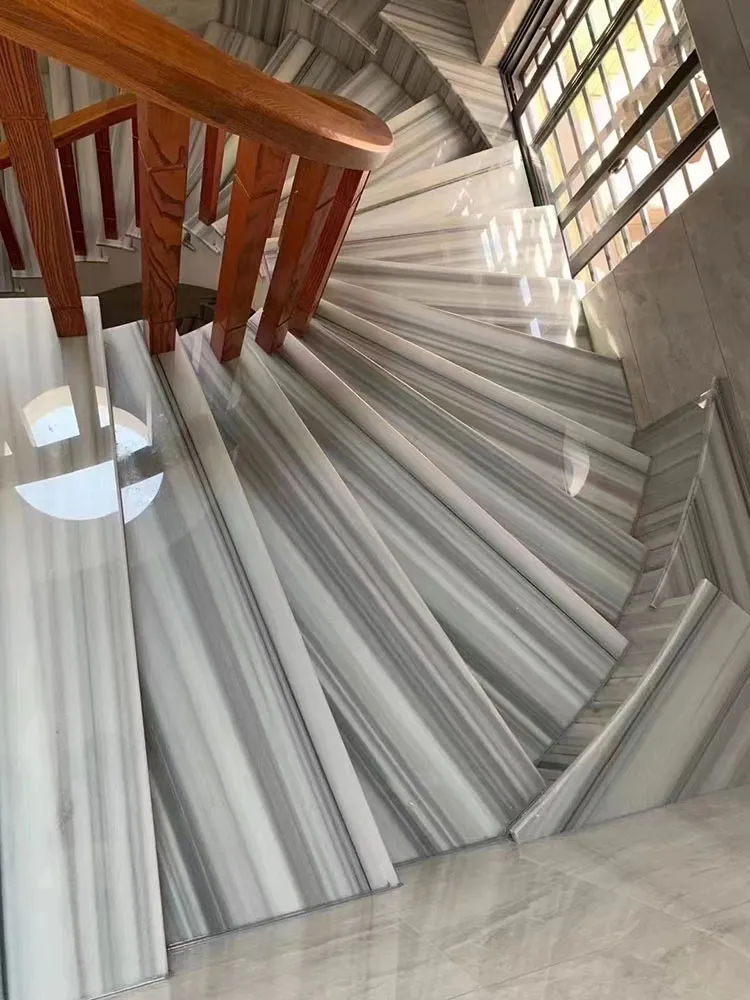
Straight Grain Stone Texture
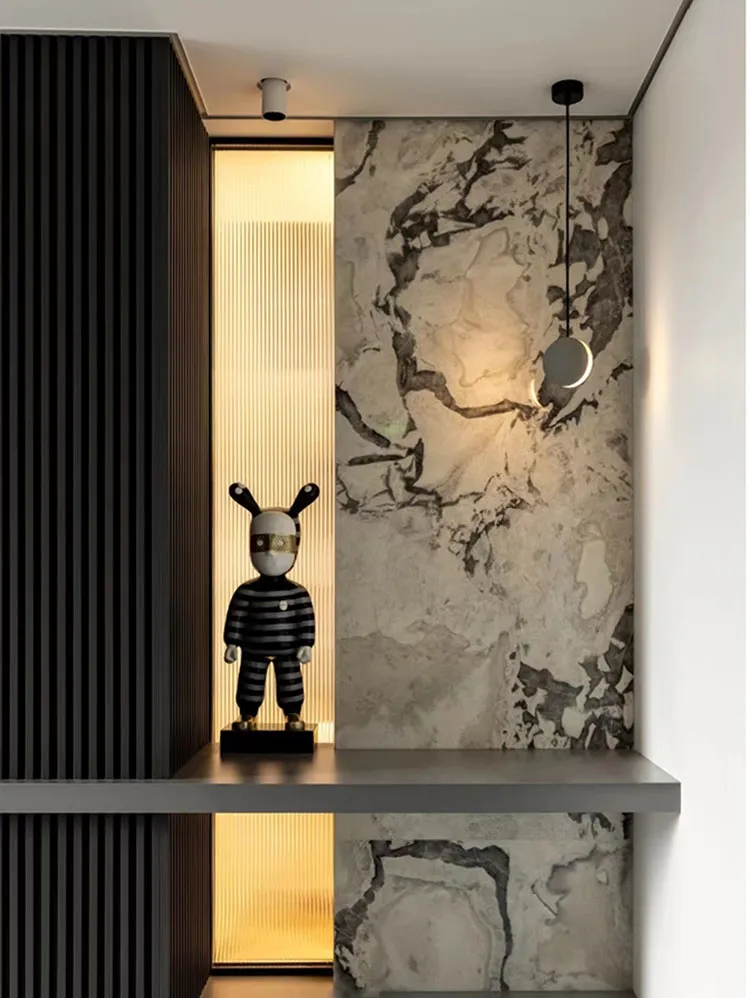
Random Grain Stone Texture
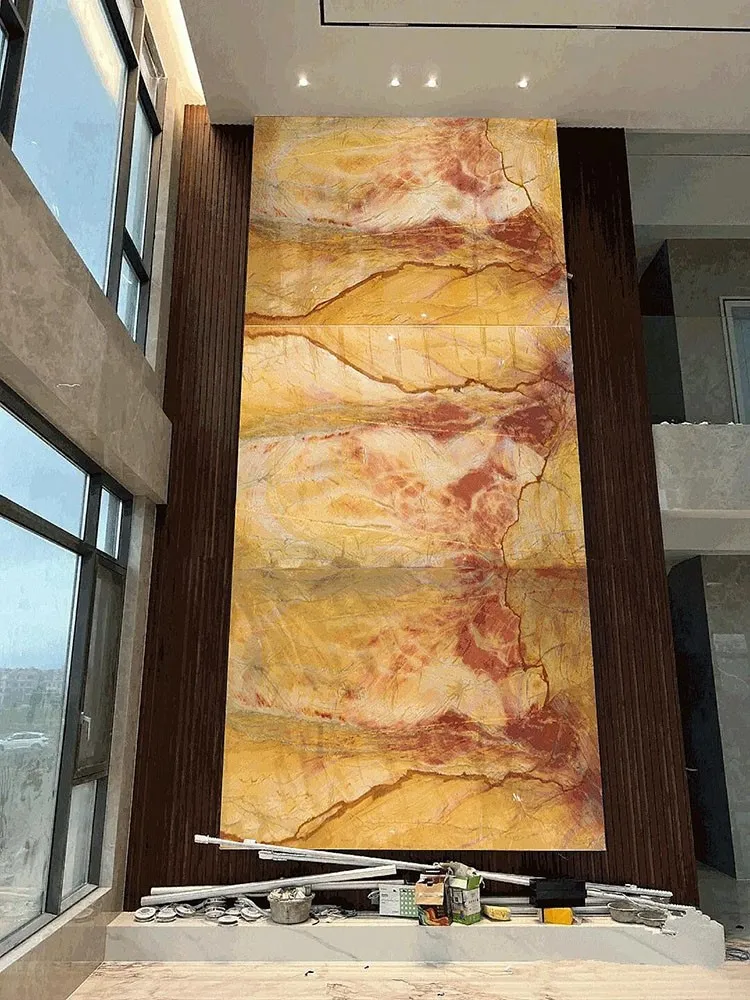
Matched Grain Stone Texture
1. Straight Grain Stone Texture
Straight grain stone texture is processed by cutting stone along a fixed direction, making the grain direction of all stone slabs consistent (horizontal, vertical or diagonal). It requires strict processing accuracy to ensure uniform grain alignment.
Processing Standards
Grain direction tolerance: ±1mm per square meter
Cutting precision: Thickness deviation ≤0.3mm
Surface flatness: ≤0.2mm/m², no grain deflection
Common processing methods: Gang saw cutting, wire saw cutting (for large slabs)
Suitable Applications
Ideal for large-area uniform decoration, suitable for high-grade commercial and residential projects with strict aesthetic requirements:
Commercial building exterior wall cladding (high-rise office buildings, hotel facades)
Indoor large-area flooring (shopping malls, convention centers)
High-end villa interior walls (living room, hallway)
Advantages & Disadvantages
|
Advantages |
Disadvantages |
|---|---|
|
1. Uniform visual effect, strong sense of order 2. Reduces installation difficulty (fixed direction) 3. Improves project grade, meets high-end design requirements |
1. Higher processing cost (strict precision control) 2. Material utilization rate: 75-80% (lower than random grain) 3. Not suitable for small-area irregular spaces |
2. Random Grain Stone Texture
Random grain stone texture has no fixed grain direction requirement. Each stone slab retains its natural grain direction or is cut randomly, with no alignment requirement during installation. It is the most common texture type in stone wholesale.
Processing Standards
Grain direction: No fixed requirement, natural or random cutting
Thickness deviation: ≤0.5mm
Surface flatness: ≤0.3mm/m²
Material utilization rate: 85-90% (highest among the three types)
Suitable Applications
Widely used in medium and high-grade projects with natural and simple design style, suitable for large-scale wholesale and engineering procurement:
Residential community exterior walls and flooring
Garden patio paving, pool surrounding stones
General commercial spaces (supermarkets, office buildings)
Bulk wholesale for retailers and distributors
Advantages & Disadvantages
|
Advantages |
Disadvantages |
|---|---|
|
1. Low processing cost, high material utilization rate 2. Installation flexible, suitable for irregular spaces 3. Natural visual effect, easy to match with various designs4. High cost performance, ideal for bulk procurement |
1. No sense of order, not suitable for high-end uniform design 2. Requires experienced installers to avoid visual chaos |
3. Matched Grain Stone Texture
Matched grain stone texture is a high-precision processed texture. Stone slabs are cut from the same original stone block, and the grain patterns are accurately aligned during installation to form a complete and continuous pattern. It is a high-end custom texture type.
Processing Standards
Pattern alignment error: ≤0.5mm
Grain direction consistency: 100% (same direction from the same stone block)
Processing precision: Thickness deviation ≤0.2mm, surface finish ≥85 gloss units
Marking requirement: Each slab is marked with installation sequence number
Suitable Applications
Exclusive to high-end custom projects with high aesthetic requirements, mainly for luxury decoration:
Luxury villa interior walls and countertops
High-end hotel lobby feature walls, reception desks
Customized commercial spaces (high-end boutiques, art galleries)
OEM custom projects for high-end interior design firms
Advantages & Disadvantages
|
Advantages |
Disadvantages |
|---|---|
|
1. High-end visual effect, complete and continuous pattern 2. Strong uniqueness, exclusive to custom projects 3. Improves project added value, meets high-end market demand |
1. Highest processing cost, long production cycle 2. Material utilization rate: 65-70% (lowest) 3. Strict installation requirements, need sequence installation 4. MOQ requirement is higher than other texture types |
Comparison of Three Stone Textures
|
Index |
Straight Grain |
Random Grain |
Matched Grain |
|---|---|---|---|
|
Grain Direction Tolerance |
±1mm/m² |
No requirement |
≤0.5mm |
|
Material Utilization Rate |
75-80% |
85-90% |
65-70% |
|
Processing Cost (Relative) |
Medium (1.2x random grain) |
Low (base price) |
High (2.5x random grain) |
|
MOQ Requirement |
50㎡ |
30㎡ |
100㎡ |
|
Installation Difficulty |
Low |
Medium |
High |
|
Suitable Project Grade |
Medium-High |
Medium |
High-End |
In short, straight grain delivers neat orderly visuals, random grain showcases original natural charm, while matched grain presents integrated elegant patterns. Each texture has its own design advantages and applicable scenarios. Proper selection based on space style and decoration needs can perfectly display the unique aesthetic and practical value of natural stone in architectural and interior design. Feel free to contact us for professional stone texture matching and customized stone solutions for your projects.